Ranked by human evidence · every claim sourced · updated September 2026
What will actually help
The prescription pair beats everythingTretinoin plus daily sunscreen from a dermatologist outperforms every peptide cream in trials. Boring and true. Start there and the rest is decoration.
Real results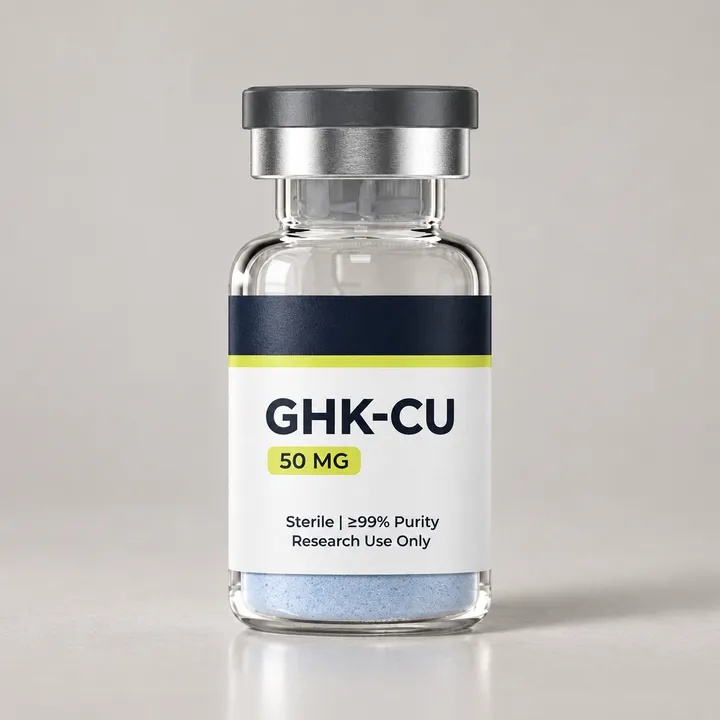
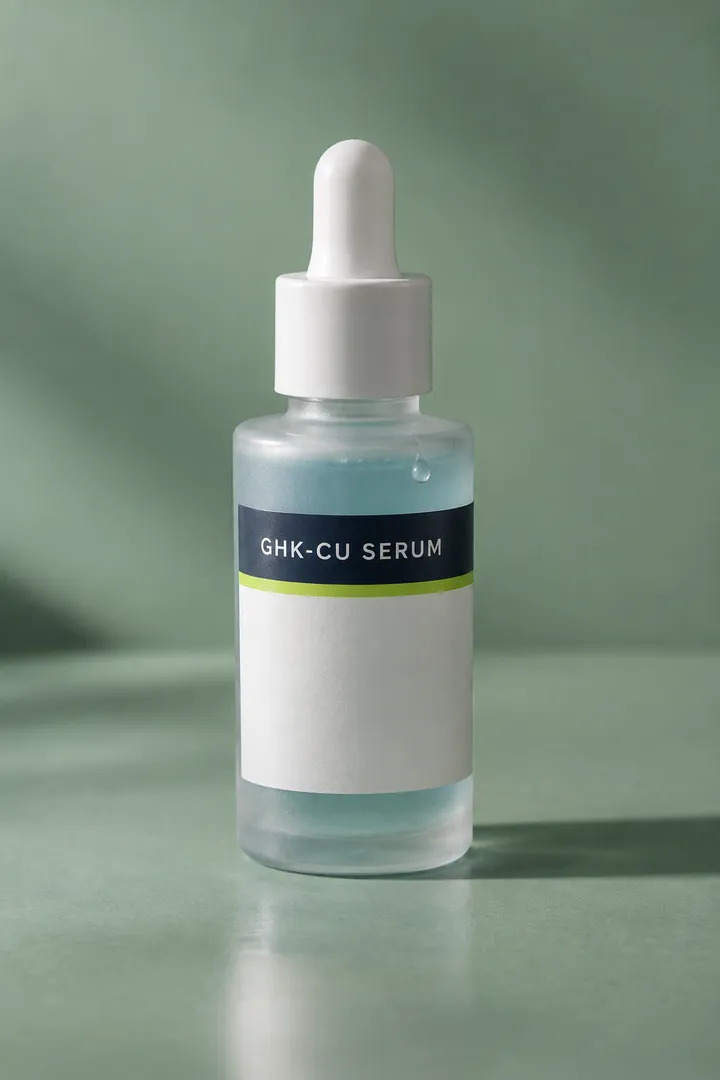
The copper peptide with real dataGHK-Cu serums carry decades of cosmetic studies on firmness and fine lines. The blue serum is the one peptide worth a spot in a routine. Expect a little more bounce, not a new face.
May help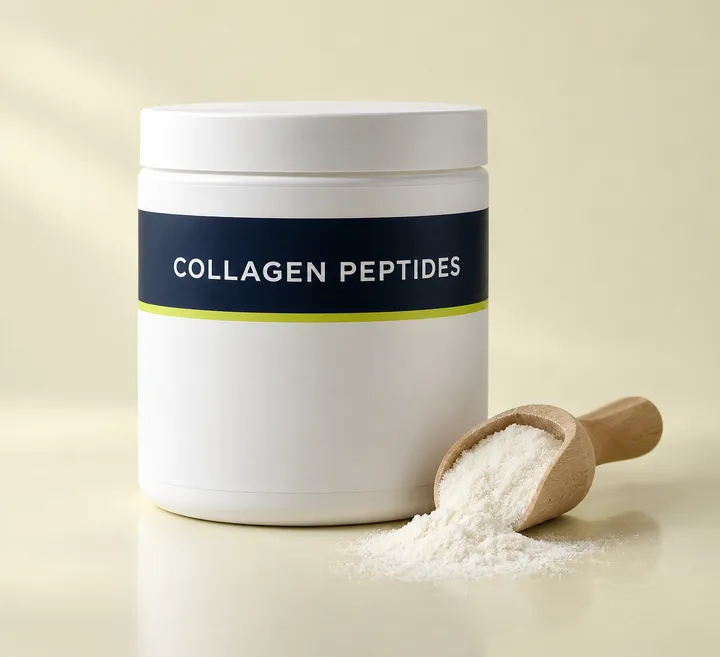
The daily scoopTrials of 2.5 to 10 grams of collagen peptides showed modest gains in skin hydration. Cheap, safe, slow. Give it eight to twelve weeks before you judge it.
Cheap try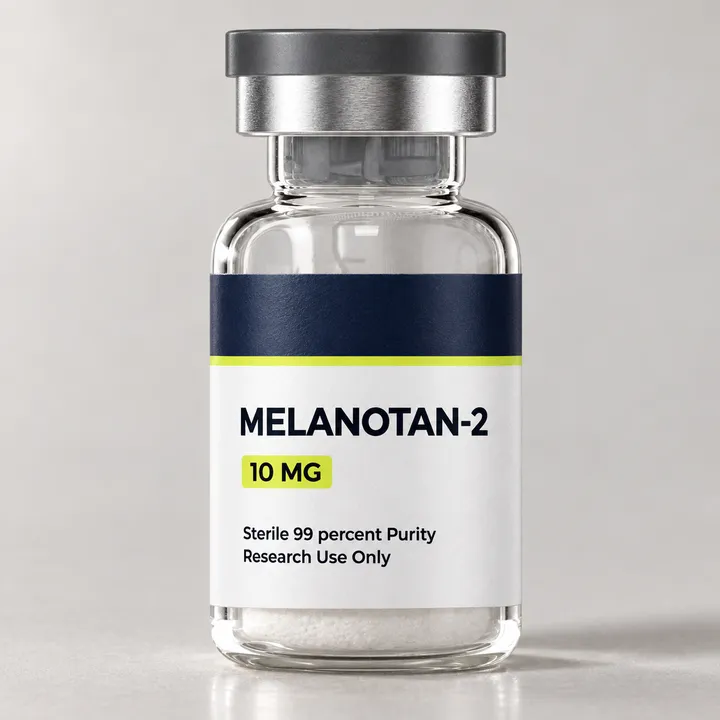
Injectable beauty shortcutsMelanotan tanning shots and injected GHK-Cu have no safety case behind them. Dermatology societies warn about the first one outright. Save the money and the risk.
Skip it
Hair needs medicine, not peptidesMinoxidil and finasteride from a doctor still beat every peptide on hair data. A scalp serum has never matched them in a trial. Get the diagnosis first, because it changes the answer.
Real resultsAny new mole, or one that is changing, goes to a dermatologist before any product — especially after tanning injections.
What it costs
$
What people pay
Checked September 2026
GHK-Cu serumsUnder $50 a month over the counter
The prescription routineVaries by insurance and by plan
How to use a copper serum
Questions people ask
What is the best peptide for skin?
GHK-Cu has the deepest research record of any skin peptide, with decades of cosmetic and wound healing studies behind the topical form. Matrikine peptides such as palmitoyl pentapeptide also have published wrinkle data. Best here means best studied, and the honest result is modest improvement.
What can peptides do for the skin?
Controlled cosmetic studies report measurable reductions in wrinkle depth and improvements in elasticity and hydration over eight to twelve weeks. The effects are real and small. They sit below prescription retinoids and well below in-office procedures, and no topical peptide tightens loose skin.
Do dermatologists recommend peptides?
Commonly, as a supporting ingredient. The routine a dermatologist builds starts with sunscreen, a retinoid and a moisturizer, because that is where the evidence is. A peptide serum on top is low risk and may add a little firmness.
Do collagen peptides really work?
For skin hydration and elasticity, several randomized trials say yes with small effect sizes after eight to twelve weeks at 2.5 to 10 grams a day. Many of those trials are small and industry funded. It is a supplement you digest like any protein, not a way to place collagen into your skin.
Do copper peptides regrow hair?
No trial shows that a copper peptide serum regrows hair in pattern hair loss. The follicle work is mostly laboratory and preclinical. The treatments with large randomized trials behind them are minoxidil and finasteride, and a physician decides which fits you.
Sources: PubMed — GHK-Cu skin research · PubMed — oral collagen peptide trials · PubMed — minoxidil and finasteride