Not sure which peptide fits your goal? Take the 60 second match

The class, explained

GLP-1, in
plain words.

It is the hormone that tells your body it has eaten. The medicines that copy it are reshaping American weight loss — here is the whole class on one page: what works, what it costs, how people start.
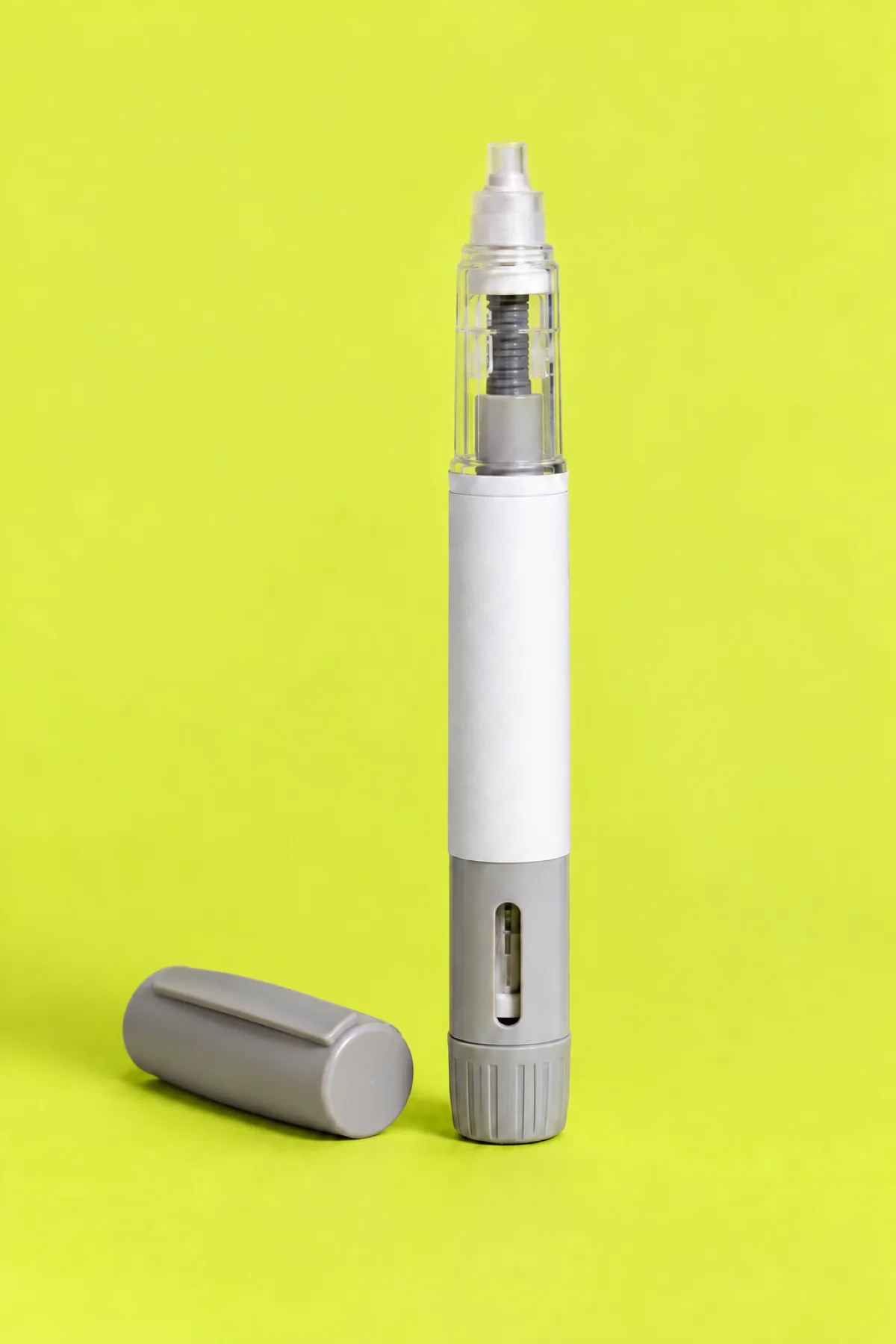
GLP-1 injection pen standing upright

What it does

After a meal, your gut releases GLP-1. The brain hears "we are full", the stomach slows down, insulin gets sharper. The natural hormone lives for minutes — the medicines are copies engineered to last a week.

The result people describe is not willpower. Food noise goes quiet. Portions shrink on their own. That is why average trial losses run 15 to 20 percent of body weight — numbers no diet drug class has reached before.

Week oneSmaller starter dose, appetite dips, some nausea while the body adjusts
Months one to threeDose steps up monthly; steady loss around 1 to 2 percent of body weight per month
Month four onwardMaintenance dose; loss continues toward the plateau near 15 to 20 percent

The four names that matter

Semaglutide — Wegovy, OzempicThe one that started the era. About 15 percent average loss. FDA-approved; compounded copies exist. Full page
Tirzepatide — Zepbound, MounjaroAdds a second gut hormone, GIP. About 20 percent average loss — the current approved leader. Full page
Retatrutide — trials onlyThree hormones at once; about 24 percent in phase 2. Not approved, not legally sold — track the approval on our live tracker
Cagrilintide combos — next in lineAn amylin partner designed to pair with semaglutide; late-stage trials running now

Semaglutide vs tirzepatide, head to head

What it really costs

Three price floors, checked monthly in our index:

Compounded semaglutide — from $139 a monthAll-in with mandatory fees · live table
Compounded tirzepatide — from about $300Dose escalates, so the bill grows · live table
Brand self-pay — $349 to $650Maker channels: Zepbound and Wegovy pages

How people start

Every legal door runs through a prescriber. Online visits handle it in most states: intake form, sometimes labs, prescription shipped by a licensed pharmacy.

Is GLP-1 even your answer?Three questions, honest verdict — including "no"
Take the 60 second match

Talk to a doctor

Common questions

What is GLP-1 in simple terms?
A hormone your gut releases after eating. It tells the brain you are full, slows the stomach and helps insulin work. The medicines copy it in a longer-lasting form, so the fullness lasts days instead of minutes.
Which GLP-1 medicine is strongest for weight loss?
In trial data tirzepatide leads the approved options — around 20 percent average loss versus roughly 15 percent for semaglutide. Retatrutide posted about 24 percent in phase 2 but is not approved yet.
What does GLP-1 medication cost per month?
Brand pens run $499 to $650 self-pay through manufacturer channels and over $1,000 at list. Compounded versions start near $139 for semaglutide and about $300 for tirzepatide, all-in.
Do you need a prescription for GLP-1?
Yes — every legal route, brand or compounded, runs through a licensed prescriber. Telehealth handles it online in most states.
What is microdosing GLP-1?
Using doses below the labeled schedule, usually to trim cost or side effects. Some physicians prescribe it off-label; long-term evidence at micro doses is thin, and it is a prescriber conversation, not a forum experiment.
Are GLP-1 pills as good as injections?
Oral semaglutide exists and higher-dose pills are in trials, but today's strongest results belong to the weekly injections. Most "GLP-1 pills" sold online are supplements with no GLP-1 in them at all.

Weight is one goal of eight.

Sleep, recovery, skin, energy — peptides cover more than the scale. See where GLP-1 sits in the whole picture.

The weight loss guide All goals

Peptide prices move every month

One short email when they do. Price drops, new results, nothing else.